
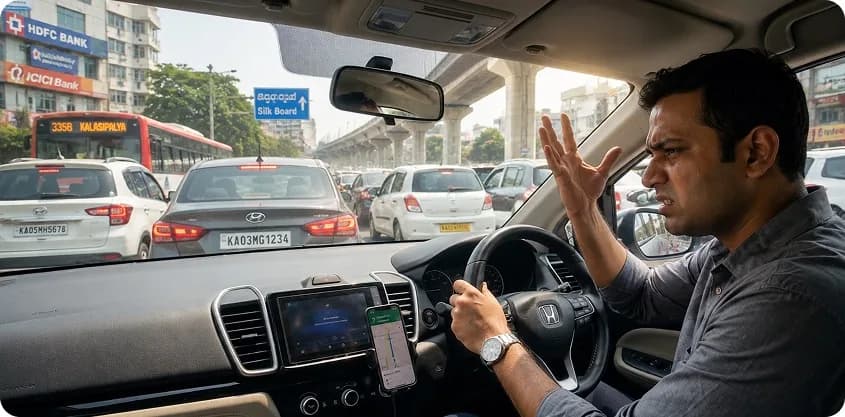
There's a very specific kind of rage that only Bangalore and Mumbai drivers understand. It's not the rage of being cut off, or of someone honking for no reason. It's the rage of looking at Google Maps, seeing "36 mins," starting your car, and still not being sure you'll make it in an hour. For years this felt like a joke everyone was in on. Bangalore Traffic memes, "Whitefield to Koramangala in monsoon" horror stories, the Mumbai western-express-highway sigh. Funny, because it was relatable. Except somewhere in the last two years, it stopped being a joke and started being a number. And the number is genuinely hard to laugh at.
According to the Traffic Index released in January 2026, Bengaluru is now officially the second most congested city in the world, with drivers losing 168 hours a year to traffic — roughly seven full days of life spent sitting behind a wheel, going nowhere. A simple 10 km drive in the city now takes over 36 minutes on average, and peak-hour speeds have dropped to around 13-14 km/hr which, for context, is slower than a fit person cycling casually. Mumbai, to its credit, actually improved slightly in 2025. But "improved" is relative — commuters there still lost 126 hours to traffic last year, which works out to just over five days. And the city right next door isn't spared either. Pune overtook Mumbai to become the fifth most congested city globally, which tells you this isn't a one-city problem. It's how Indian metros are starting to function now.
Zoom out further and the picture gets worse. Six of the ten most congested cities in Asia are Indian — Bengaluru, Pune, Mumbai, New Delhi, Kolkata, and Jaipur. This isn't bad luck or one bad monsoon season. A Boston Consulting Group study cited in recent traffic analysis found that congestion across Delhi, Mumbai, Bengaluru, and Kolkata alone costs the Indian economy around $22 billion a year in lost productivity and wasted fuel.
Why It's Only Getting Worse?
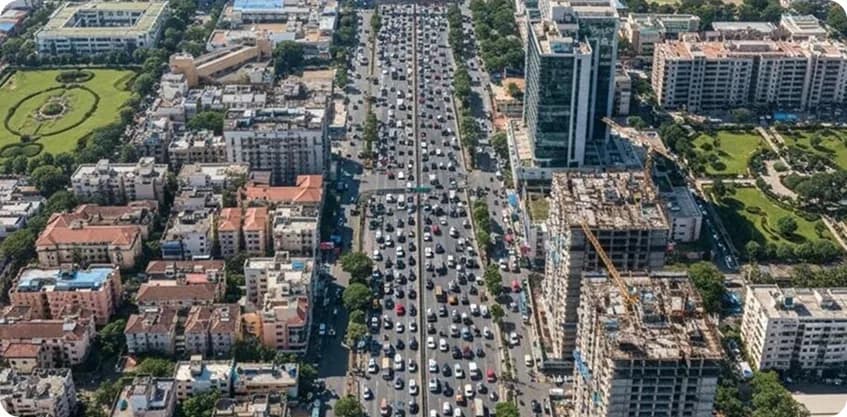
Here's the part that should really worry anyone thinking of buying a car this year — the roads aren't growing, but the number of cars on them very much is. In Bengaluru alone, the transport department recorded 7.22 lakh new vehicle registrations in 2024-25 — nearly 2,000 new vehicles hitting the road every single day. Total registered vehicles in the city have now crossed 1.23 crore, up 6.5% from the year before. Meanwhile the city's road network has stayed roughly the same size, which means vehicle density has jumped from 761 vehicles per kilometre of road to 823. That's not a traffic problem. That's a math problem, and the math doesn't have a solution that involves everyone owning a car.
Sitting in traffic is the visible cost. The invisible one shows up every month, whether or not you ever leave the driveway. Start with parking. If you live in an apartment in Bangalore, covered parking alone can run you around ₹3,500 a month, and in Mumbai specifically, residents report parking charges climbing far higher than in most other Indian cities simply because space is so scarce. That's before EMI, insurance, fuel, servicing, or the depreciation that starts the moment you drive out of the showroom. Add it up and a lot of people are paying a full second rent just so a car can sit outside, mostly unused, waiting for the handful of days it's actually needed for an airport run or a family trip.
So What Are People Actually Doing Instead?
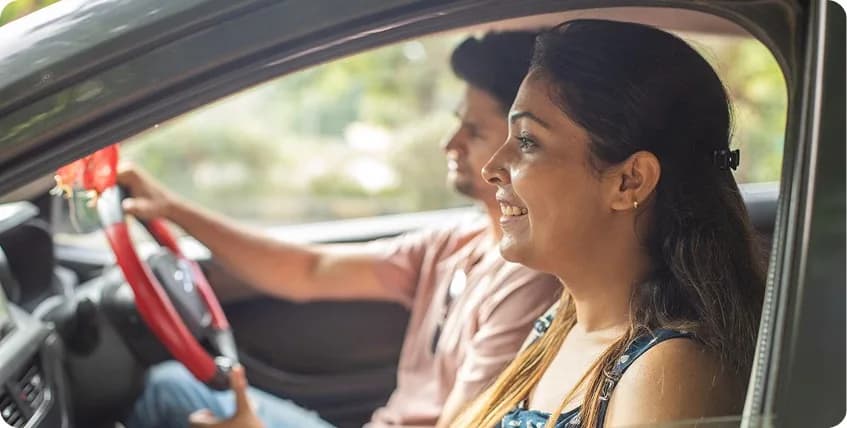
The honest answer increasingly, nothing. Or rather — they're renting when they need to, and skipping the rest. It makes sense once you actually sit with the math. A self-drive rental costs you money only on the days you use it. No EMI eating into your salary every 1st of the month. No parking rent for a car that spends most of the year not moving. No resale headache in three years when you're tired of it, no insurance renewal reminder, no depreciation quietly eating your investment while you sleep. And functionally, for the two or three situations a month where you genuinely need a car — an outstation trip, a big grocery run, dropping parents at the airport at 5 AM — a self-drive car does everything a personal one does. Except it doesn't demand a monthly commitment for the rest of the days when public transport, a cab, or your own two feet were doing just fine.
The Uncomfortable Truth
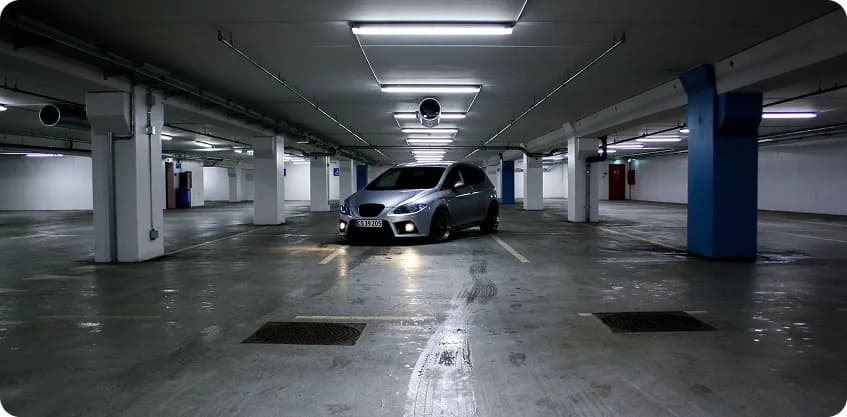
Owning a car in Bangalore or Mumbai in 2026 isn't really about mobility anymore. Most days, it's about status, or habit, or the comfort of having "your own car" even if that car spends most of its life in a ₹3,500-a-month parking spot, appreciating nothing, while you sit in the same traffic as everyone else when you do use it. The city isn't going to fix itself before your next EMI is due. But your relationship with car ownership can change a lot faster than the road infrastructure will.
Book It When You Need It. Skip It When You Don't.
That's really the whole pitch. With Bharat Car, you get a car exactly when the day calls for one — self-drive, no negotiating with a driver, no long-term commitment sitting quietly on your bank statement. You use it for the airport run, the weekend trip, the one Sunday a month you actually need four wheels. And on every other day, you're not paying rent on metal that isn't moving. Bangalore and Mumbai aren't going to get less congested this year. But you can stop paying for a car that's stuck in exactly the same traffic as everyone else's — and only pay for one on the days it's actually worth it.