
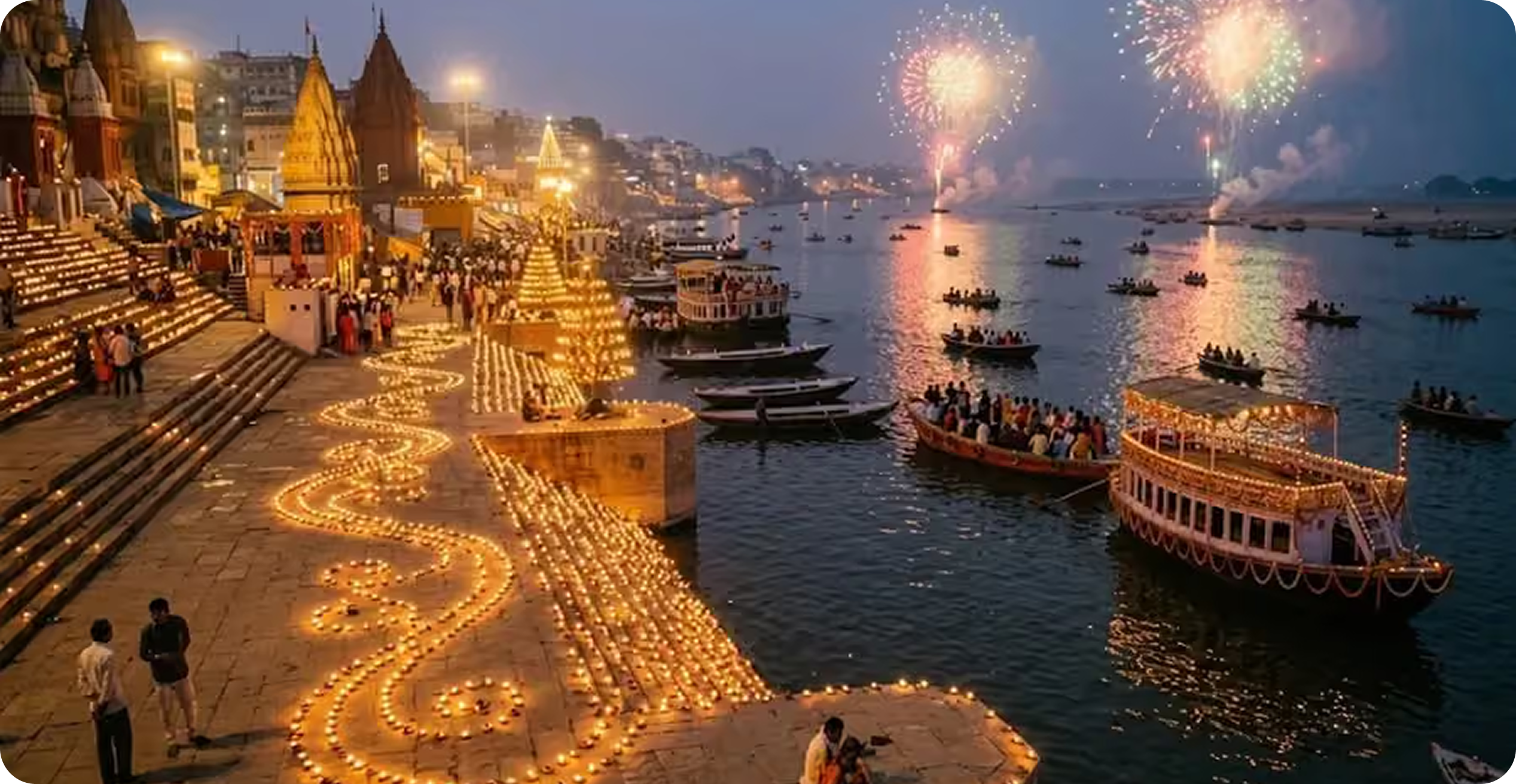
There is a night in Varanasi when the river appears to have borrowed the stars. The steps leading down to the Ganga are covered in earthen lamps. Temples glow against the darkness. Boats move slowly across the water, carrying people who have come to witness something that is difficult to describe without sounding exaggerated. The city is illuminated, but it is not simply celebrating a festival of lights. It is celebrating the belief that the gods themselves come down to Earth on this night. This is Dev Deepawali. Every year, on Kartik Purnima, fifteen days after Diwali, Varanasi prepares for an evening unlike most others. Thousands of people gather along the ghats, lamps are lit one after another, and the Ganga becomes the centre of a celebration that combines mythology, faith, history and an extraordinary sense of community. There is something interesting about the timing, too. We celebrate Diwali with the belief that light triumphs over darkness. Then, just when the celebrations have settled, another festival arrives to remind us that the story of light is not finished. In Varanasi, this second celebration belongs to the gods.
What is Dev Deepawali?
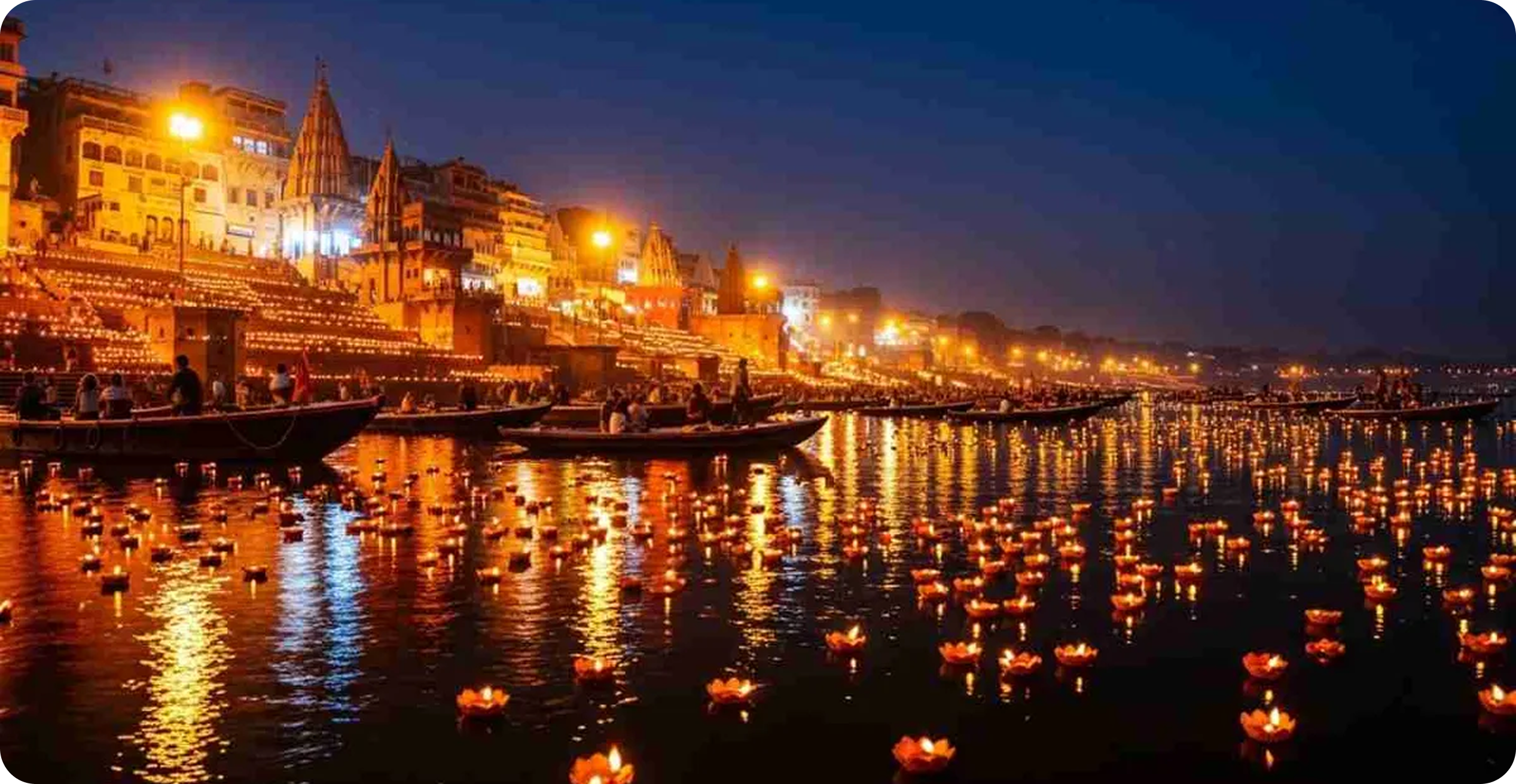
Dev Deepawali, also written as Dev Diwali or Dev Deepavali, literally means the Diwali of the gods. It is celebrated on Kartik Purnima, the full moon day of the Hindu month of Kartik, and is particularly associated with Varanasi, also known as Kashi and Banaras. According to Hindu belief, the gods descend to Earth on this auspicious night to bathe in the sacred waters of the Ganga and celebrate the occasion. That is why devotees light thousands of earthen lamps along the riverbanks. The ritual of offering lamps is known as Deep Daan. The festival is also associated with the victory of Lord Shiva over the demon Tripurasura. For this reason, it is known by names such as Tripurotsav and Tripurari Purnima. Although the festival is most famous in Varanasi, Kartik Purnima is celebrated across different parts of India with its own regional customs and religious traditions. What makes Dev Deepawali in Kashi particularly remarkable is the way the entire city becomes part of the celebration. The ghats are not merely decorated. They become the setting for a living religious tradition.
Why is Dev Deepawali celebrated? The story of Tripurasura
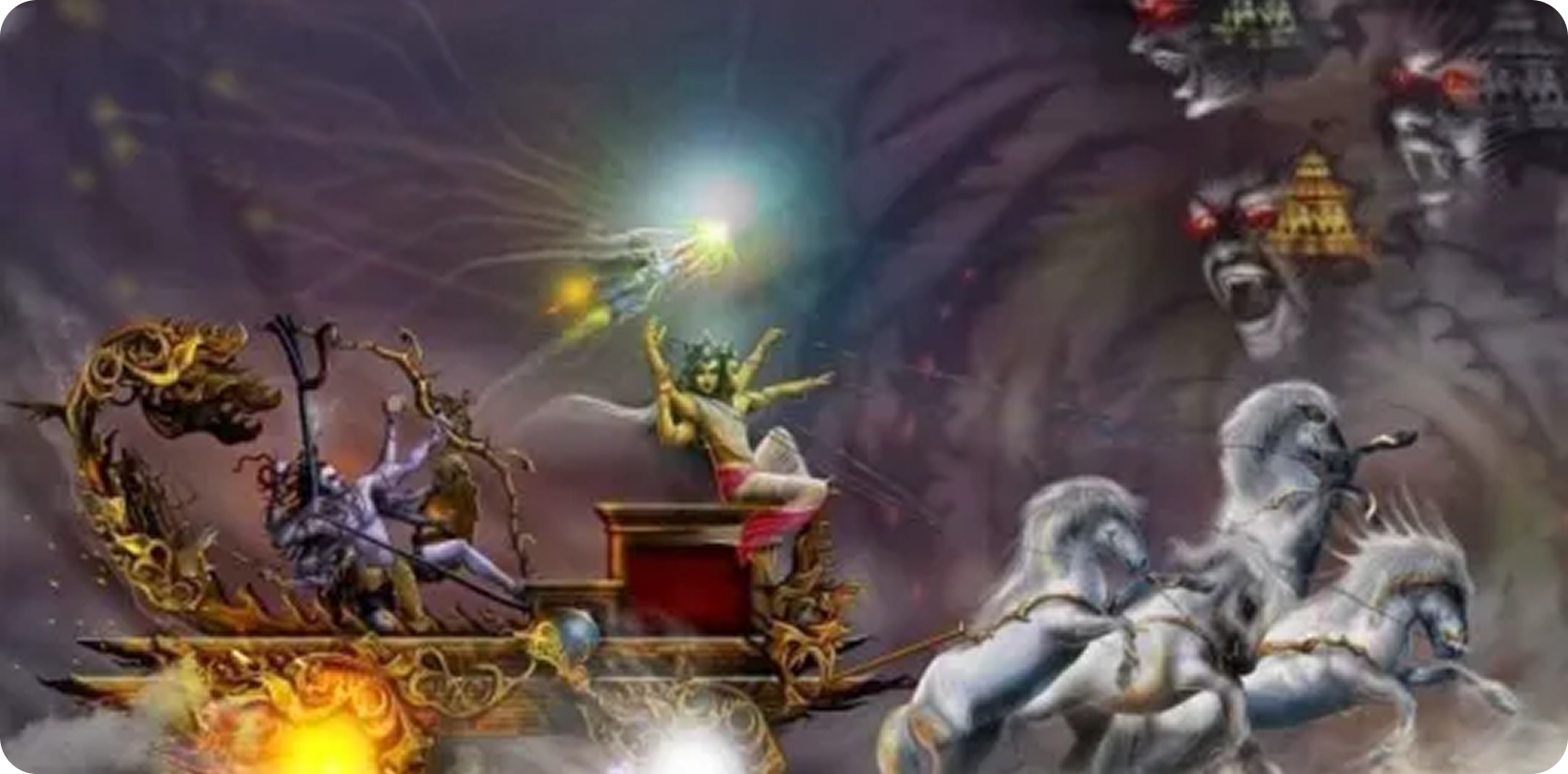
To understand Dev Deepawali, one must first understand the story behind its celebration. According to Hindu mythology, three powerful demon brothers, known as Tripurasura, received a boon that allowed them to build three magnificent cities. These cities were known as Tripura. In popular accounts of the story, the three cities were made of gold, silver and iron. They could move through the universe and became extraordinarily difficult to defeat. The brothers eventually grew arrogant and began troubling the gods and disturbing the balance of the universe. The gods approached Lord Shiva for help. Shiva agreed to destroy the three cities. After preparing for battle, he used a single divine arrow to destroy Tripura, defeating the three demon brothers and restoring balance. This victory is remembered as Tripurari, meaning the destroyer of Tripura. The story is associated with Kartik Purnima, and the occasion is therefore also known as Tripurari Purnima. The deeper meaning of the story goes beyond a battle between gods and demons. The destruction of Tripura is often understood as the victory of righteousness over arrogance, wisdom over ignorance and divine order over destructive power. Dev Deepawali celebrates this victory. And perhaps that is why the festival is associated so closely with lamps. Light is not merely decoration here. It represents the restoration of order and the triumph of good over evil.
Why does Varanasi celebrate Dev Deepawali so grandly?
There are many cities in India where Kartik Purnima is observed. But when people speak about Dev Deepawali, they almost always think of Varanasi. There is a reason for that. Varanasi is one of Hinduism’s most sacred cities. It is closely associated with Lord Shiva and is traditionally believed to be his eternal abode. The city is also known as Kashi, a name often interpreted as the city of light. The relationship between Varanasi and the Ganga is equally important. The river is regarded as sacred, and its ghats have been central to religious life, pilgrimage and daily worship for centuries. Dev Deepawali brings these elements together. The belief that the gods descend to bathe in the Ganga gives the festival its spiritual foundation. The riverfront becomes a place of worship, while the lamps express devotion and gratitude. From Assi Ghat to Dashashwamedh Ghat and beyond, the celebrations extend along the river. The sight is extraordinary, but it is worth remembering that the ghats are not simply a beautiful backdrop for photographs. They are places where people pray, perform rituals, remember their ancestors and carry out traditions that have been passed down through generations. For one evening, the riverfront becomes an enormous shared space of faith.
The significance of Kartik Purnima
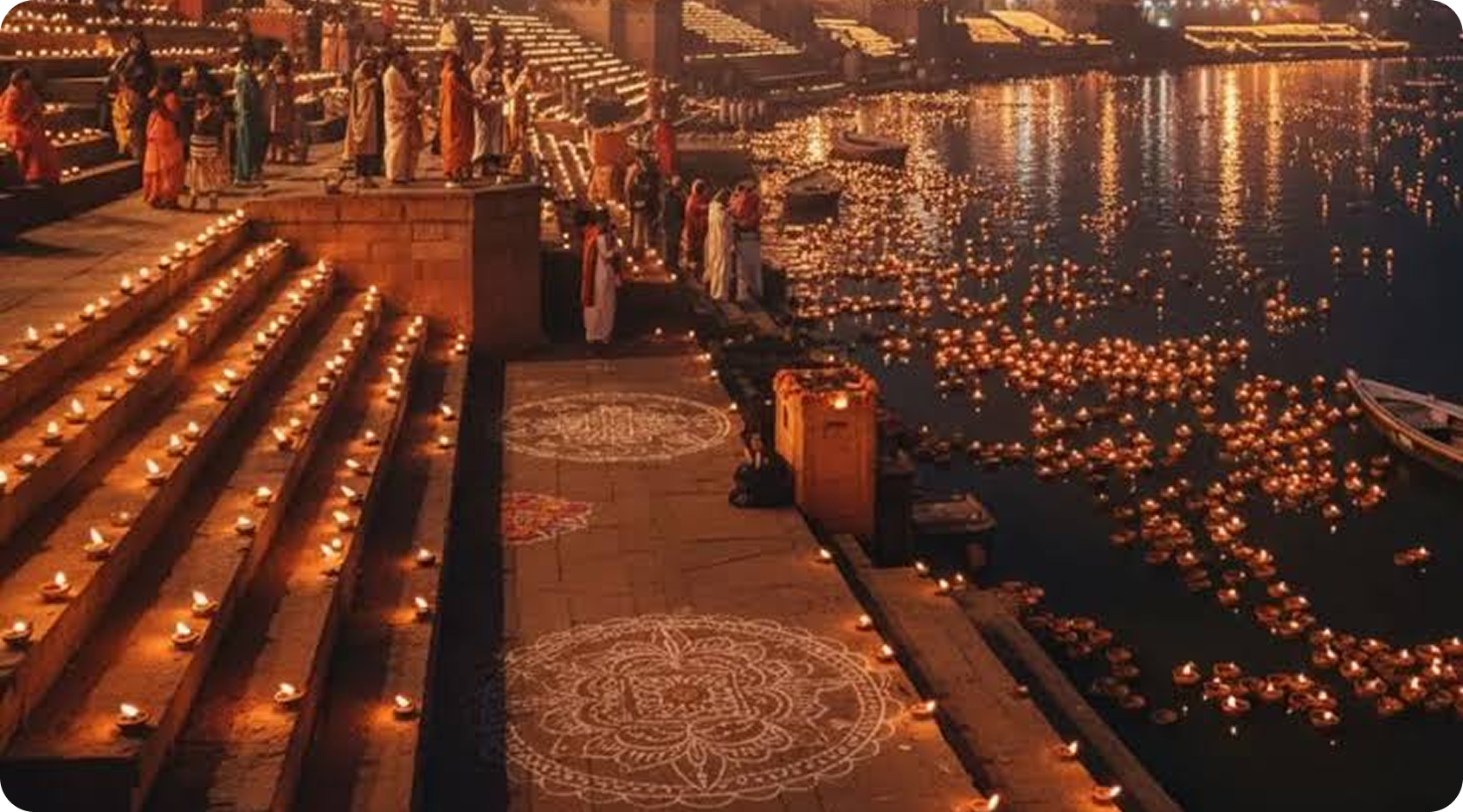
Dev Deepawali is celebrated on Kartik Purnima, the full moon day of the Hindu lunar month of Kartik. Kartik is considered an especially sacred month in several Hindu traditions. Devotees observe fasting, offer prayers, take ritual baths and participate in religious activities throughout the month. The full moon day brings these observances to a close for many devotees. Kartik Purnima is also associated with several important religious traditions: Tripurari Purnima: The day commemorates Lord Shiva’s victory over Tripurasura. Ganga Snan: Devotees take a holy bath in the Ganga and other sacred water bodies. Deep Daan: Lamps are offered in rivers, temples and other sacred places. Tulsi worship: In some traditions, the day marks the conclusion of the month-long Tulsi worship observances. Charitable acts: Donating food, clothes and other necessities is considered auspicious.The day also holds significance in Jain traditions, where Kartik Purnima is associated with pilgrimage to Shatrunjaya, one of the most important Jain pilgrimage sites. It is a reminder that a single lunar date can carry different meanings across India’s religious communities.
How is Dev Deepawali celebrated? The rituals explained
The festival is not limited to the evening when the lamps are lit. Preparations and religious observances begin much earlier.
1. Kartik Snan – The sacred bath
Kartik Purnima begins with devotees taking a ritual bath, particularly in the Ganga. Many people visit the river early in the morning, believing that bathing in its sacred waters on this day brings spiritual merit and purification. The ghats begin to fill with pilgrims, families and visitors. For some, this is an annual religious observance. For others, it is an opportunity to complete the spiritual practices they have followed throughout Kartik.
2. Deep Daan – Offering lamps to the divine
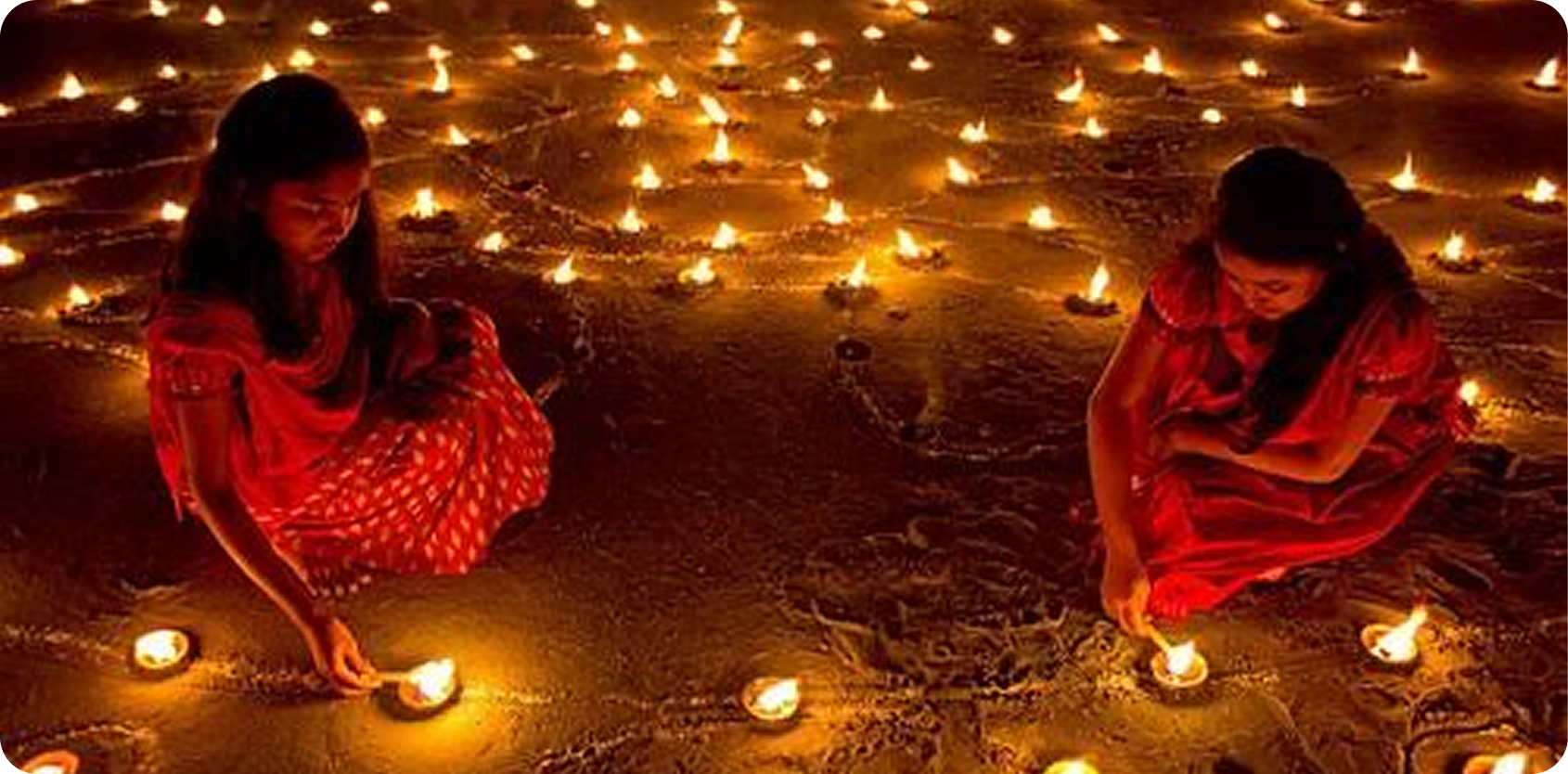
Deep Daan is one of the most important rituals of Dev Deepawali. Devotees light small earthen lamps and offer them in devotion. Lamps are placed along temple steps, riverbanks, homes and ghats. In Varanasi, the scale of this ritual is remarkable. The lamps are arranged across the long stone steps leading towards the Ganga. As evening arrives, the individual flames begin to merge into an enormous riverfront display. The diyas are traditionally made of clay and filled with oil or ghee, with cotton wicks. Each lamp may be small, but together they create one of India’s most recognisable festival scenes.
3. Ganga Aarti – Worship beside the sacred river
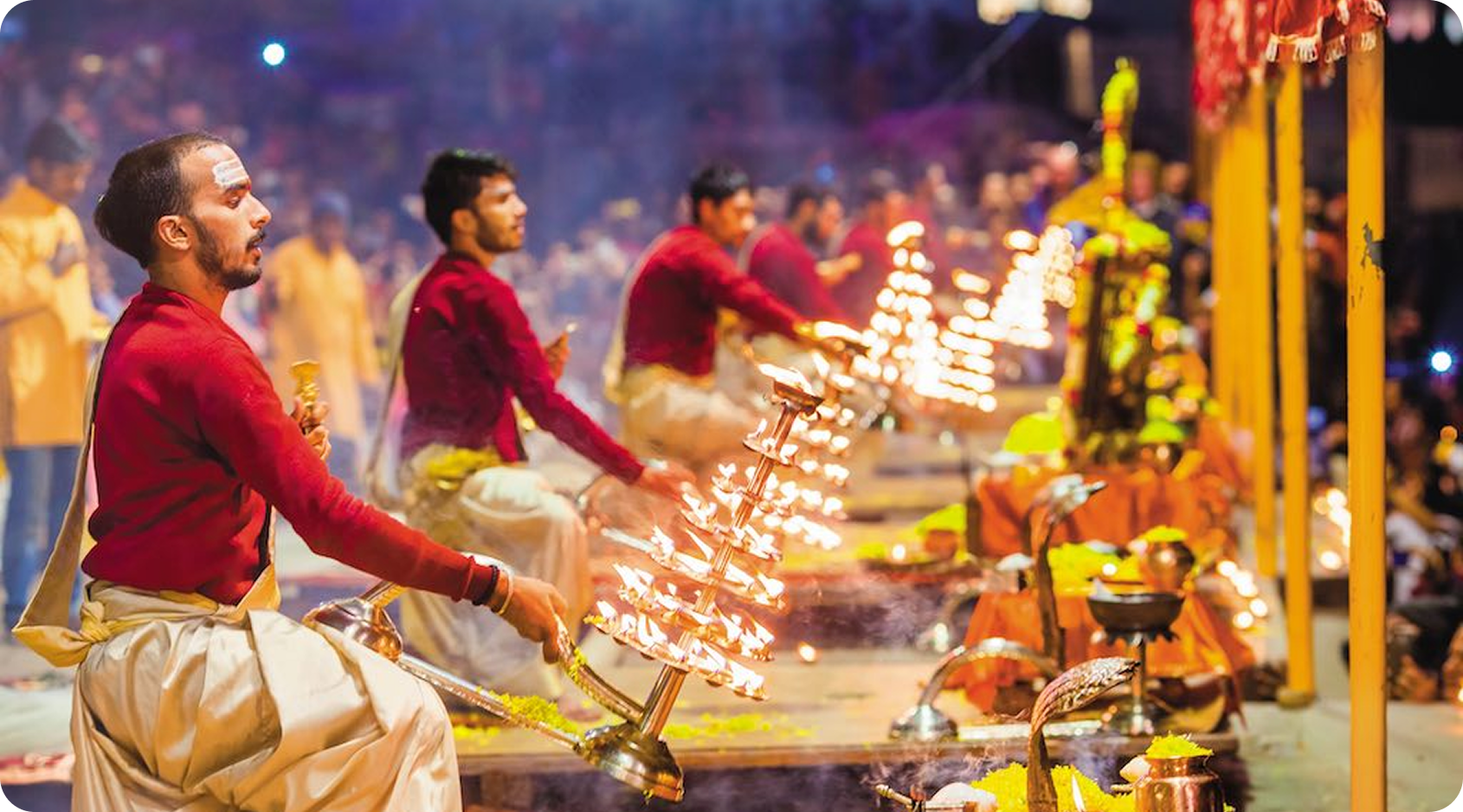
The Ganga Aarti is another major part of the celebration. Priests perform elaborate rituals using large lamps, incense, conch shells and devotional chants. The ceremonies are accompanied by bells and prayers, creating an atmosphere that is difficult to separate from the identity of Varanasi itself. Dashashwamedh Ghat is particularly famous for its Ganga Aarti. During Dev Deepawali, the occasion attracts enormous crowds, and the riverfront becomes a place of collective devotion. The sight of the flames moving in synchronisation, with the illuminated ghats behind them, is one of the defining images of the festival.
4. Worship of ancestors
Kartik Purnima is also associated with prayers and offerings for ancestors. Some devotees light lamps in remembrance of departed family members and perform rituals intended to honour them. This practice is connected with the wider Hindu tradition of remembering ancestors through prayers and offerings. The lamps, therefore, are not only a celebration of divine victory. For many families, they also carry personal memories.
5. Cultural celebrations across the ghats
Dev Deepawali has also developed into a major cultural celebration. Music, classical dance, devotional performances and other cultural programmes are organised in Varanasi around the festival. The celebrations bring together religious traditions and the city’s artistic heritage. Varanasi has long been associated with classical music, literature, Sanskrit learning and traditional crafts. Dev Deepawali provides an opportunity for visitors to experience several aspects of this cultural identity in one place.
The ghats of Varanasi: Where the festival comes alive
If there is one place where Dev Deepawali must be experienced, it is along the ghats of Varanasi. The city has a long riverfront lined with historic ghats, temples, palaces and buildings. Each ghat has its own identity and history. During Dev Deepawali, many of them become part of the larger celebration.
1. Dashashwamedh Ghat
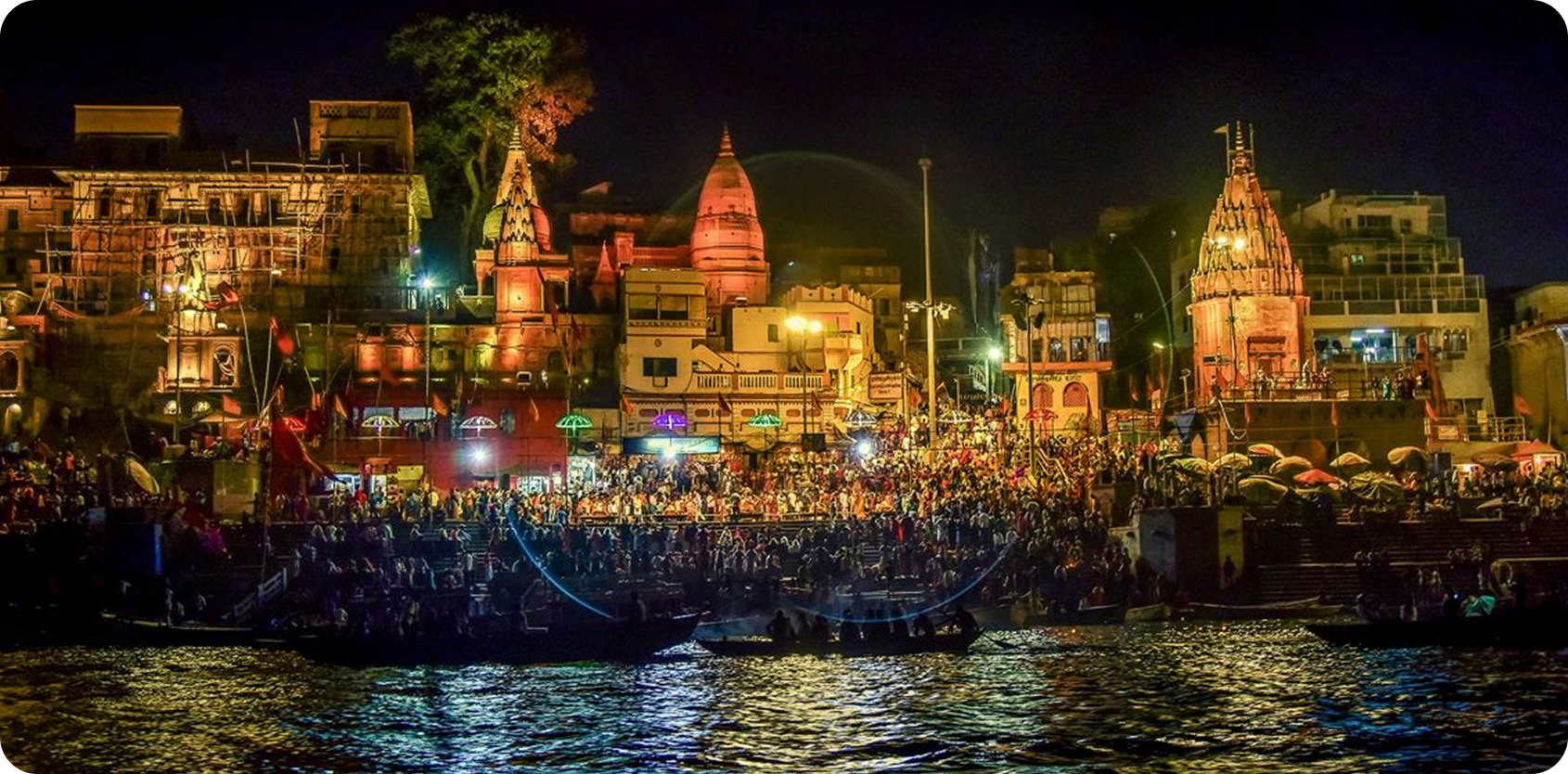
One of Varanasi’s most famous ghats, Dashashwamedh is closely associated with the grand Ganga Aarti. It becomes one of the main gathering points during Dev Deepawali, attracting devotees and visitors from across the country.
2.Assi Ghat
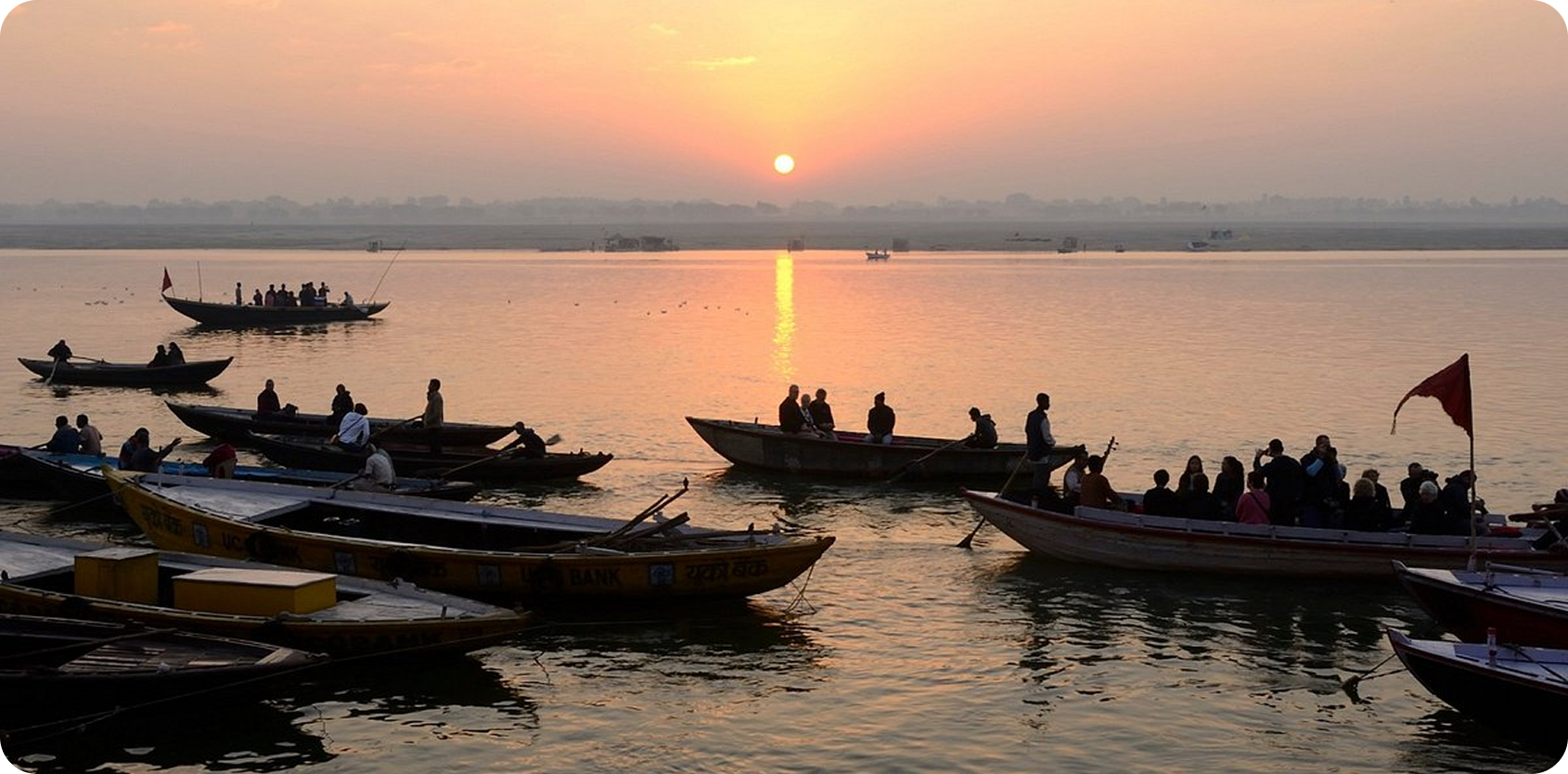
Located towards the southern end of the main riverfront, Assi Ghat is an important place for religious activities and cultural gatherings. It is also known for its morning atmosphere, devotional programmes and connection with the city’s student and artistic communities.
3.Raj Ghat
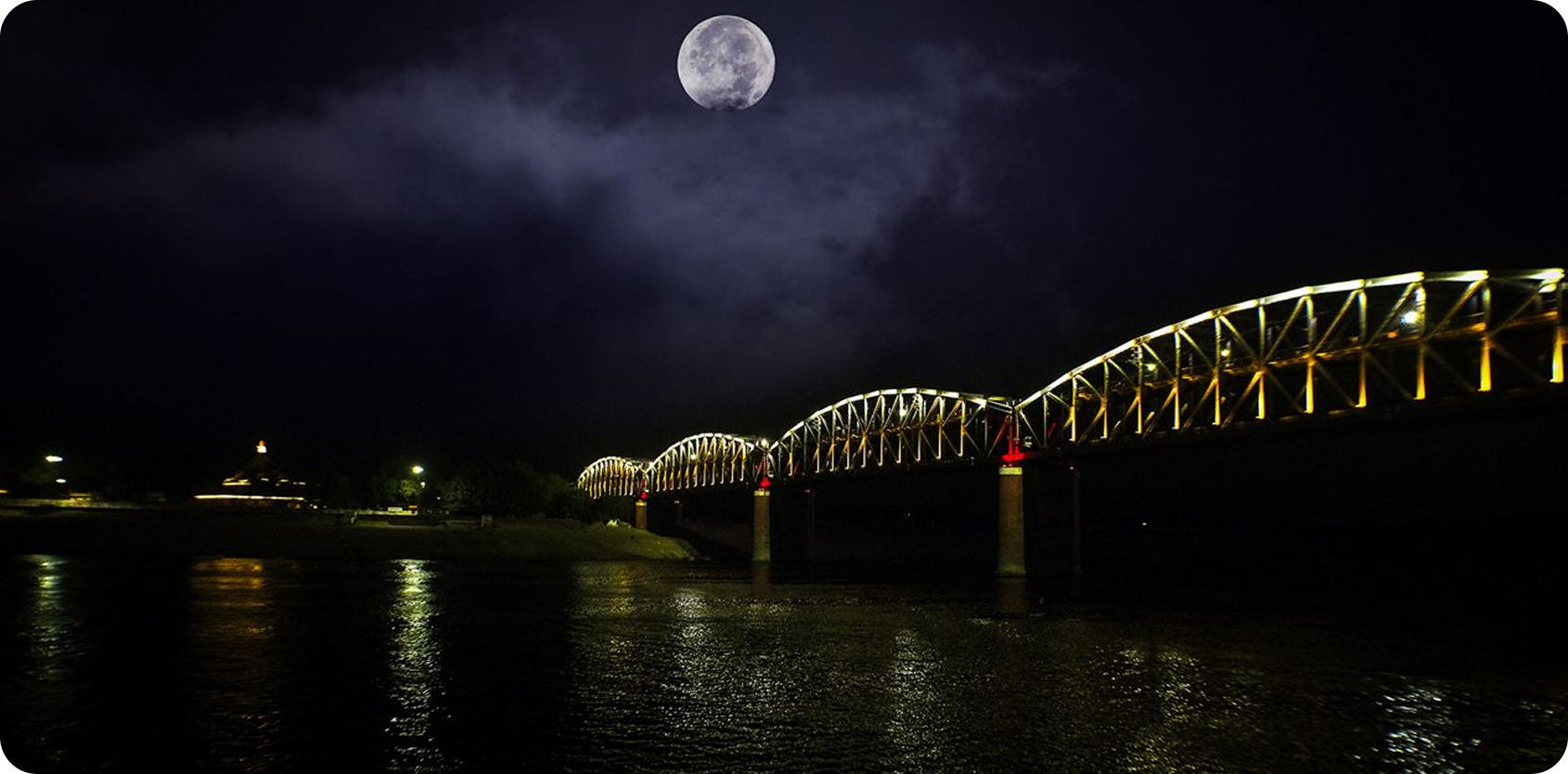
Located towards the northern end of the riverfront, Raj Ghat is associated with the older historical landscape of Varanasi. The wider northern riverfront also forms part of the illuminated festival setting.
4.Manikarnika Ghat
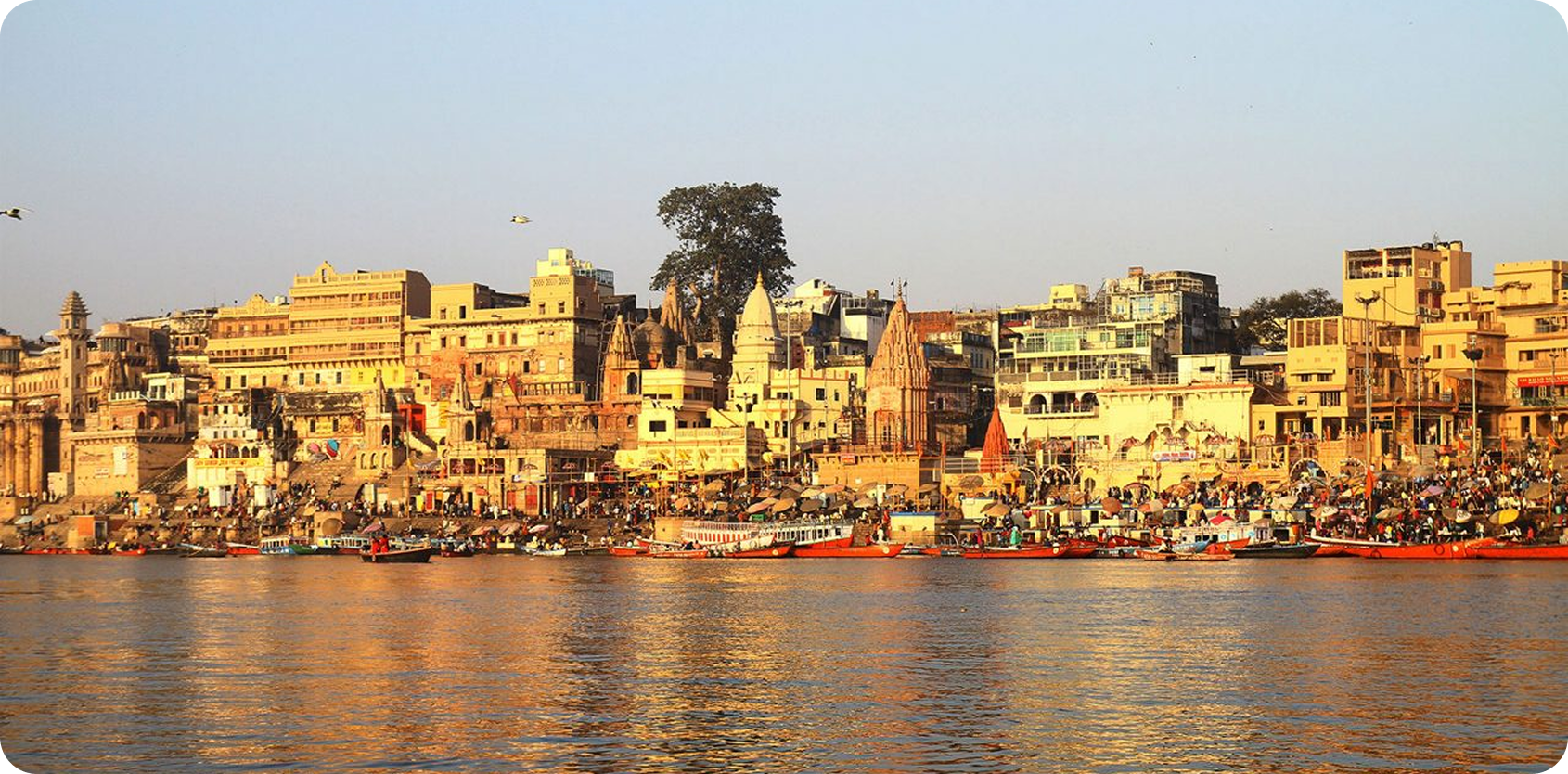
Manikarnika is one of the most sacred cremation ghats in Hindu tradition. It holds a very different significance from the celebratory ghats. It is associated with death, liberation and the belief that Varanasi offers a path towards moksha. Its presence is a reminder of the city’s relationship with the entire cycle of life. Varanasi is not a city that hides its relationship with life and death. Both exist openly beside the same river. And that is part of what makes its spiritual landscape so distinctive.
Dev Deepawali and Diwali: What is the difference?
The names are similar, but the festivals have different religious associations and dates. Diwali is celebrated on Amavasya, the new moon night of Kartik, and is associated with several traditions, including the return of Lord Rama to Ayodhya and the worship of Goddess Lakshmi. Dev Deepawali is observed on Kartik Purnima, the full moon day, approximately fifteen days after Diwali.The easiest way to understand the difference is this: Diwali is a celebration that takes place in homes, temples and communities across India. Dev Deepawali is especially associated with the sacred riverfront of Kashi and the belief that the gods themselves celebrate on Kartik Purnima.
Dev Deepawali 2026: Date and important details
Dev Deepawali in 2026 will be celebrated on Tuesday, 24 November, coinciding with Kartik Purnima. The principal Deep Daan observance takes place during the evening Pradosh period.
The environmental question behind a festival of lights
There is one part of Dev Deepawali that deserves more attention. The festival celebrates the Ganga, one of India’s most sacred rivers. It also attracts enormous crowds and involves the use of large quantities of lamps, flowers and other offerings. That creates a responsibility. The river cannot be celebrated on one evening and neglected for the rest of the year. Traditional clay lamps are part of the festival’s identity, but waste from offerings, plastic packaging and discarded materials need to be managed carefully. Cleanliness drives, responsible disposal of materials, proper crowd management and sustainable arrangements can help protect the riverfront. Devotion and environmental responsibility should not be treated as opposing ideas. If the Ganga is worthy of worship, it is also worthy of protection.