
There's a specific kind of disappointment that comes from planning a trip for months, finally getting there, and finding a queue. You've felt it, the hill station where you spend more time looking for parking than looking at the view, the beach where you can't actually hear the waves over someone's speaker three towels down. 2026 feels like the year to skip that entirely. Not because these ten places are secret, plenty of people know about them, but because they've somehow stayed exactly what they were before anyone put them on a list. Quiet. Real. Worth the drive. Here's where we'd go instead.
1. Tirthan Valley, Himachal Pradesh
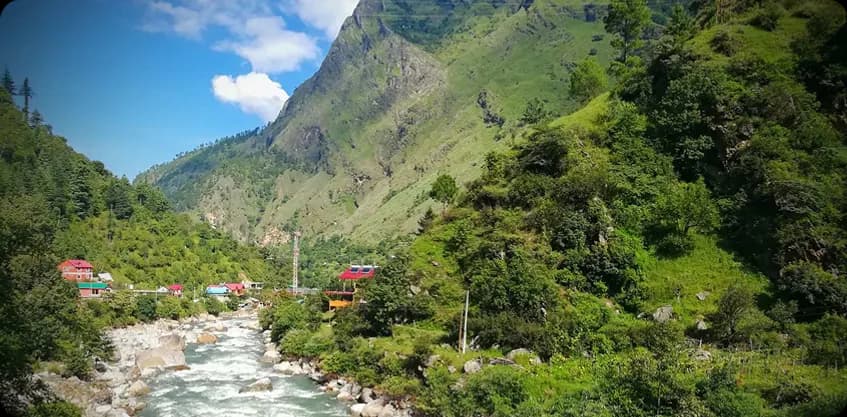
Everyone's heard of Manali. Almost nobody's heard of the valley 60km before it, which is exactly why Tirthan still feels like a secret. It sits inside the Great Himalayan National Park, a UNESCO biodiversity zone, so the land itself is protected from the kind of overdevelopment that's swallowed most of Himachal. Riverside stays, trout fishing, and village walks where the loudest thing you'll hear is the Tirthan river itself. Best time: March–June, September–November.
2. Chopta, Uttarakhand
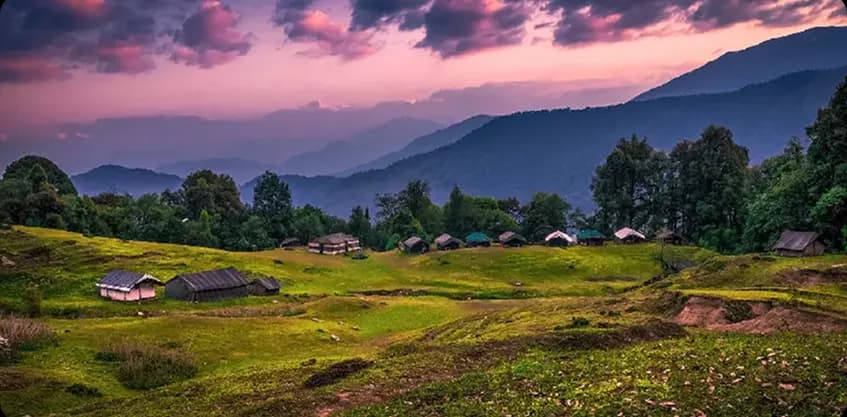
Locals call it the "mini Switzerland of India," and for once, the comparison holds up. Chopta is the trekking base for Tungnath and Chandrashila, and the meadows here roll out in a way that makes you stop mid-sentence. It's still small enough that a weekend here means actual silence, not silence with a footnote. Best time: December for snow, March–June for trekking.
3. Majuli, Assam
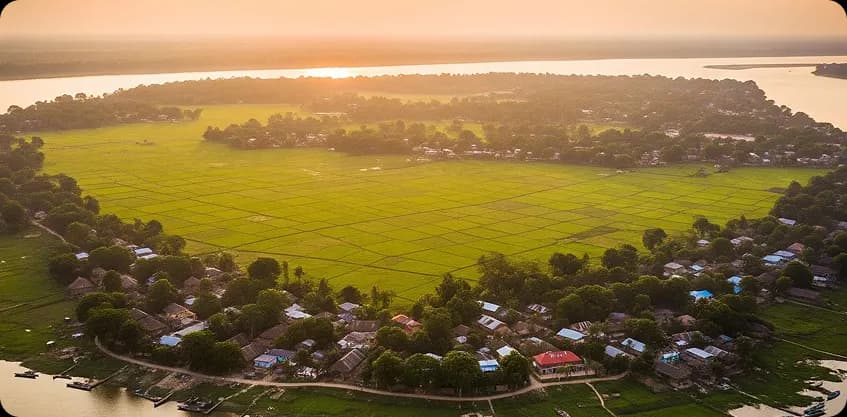
The world's largest river island, floating in the middle of the Brahmaputra, is not a place you stumble into, you have to actually decide to go. That single fact keeps it beautifully uncrowded. Majuli is home to centuries-old neo-Vaishnavite monasteries called Satras, where monks still practice classical dance and mask-making traditions that go back generations. It feels less like a tourist stop and more like stepping into a slower version of time.
4. Ziro Valley, Arunachal Pradesh
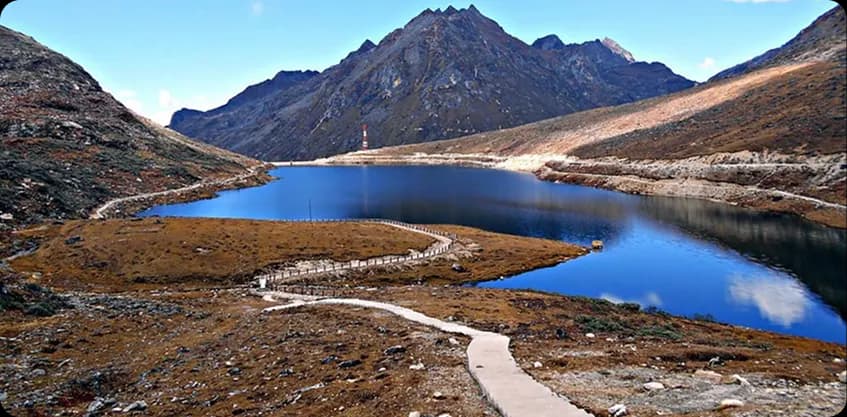
Rolling green paddy fields, pine forests, and the Apatani villages, an indigenous community known for their distinctive facial tattoos and nose plugs, a tradition now fading with the older generation. Ziro's gotten some attention thanks to its music festival, but outside that one week a year, it goes right back to being one of the quietest, most untouched valleys in the Northeast.
5. Mawlynnong, Meghalaya
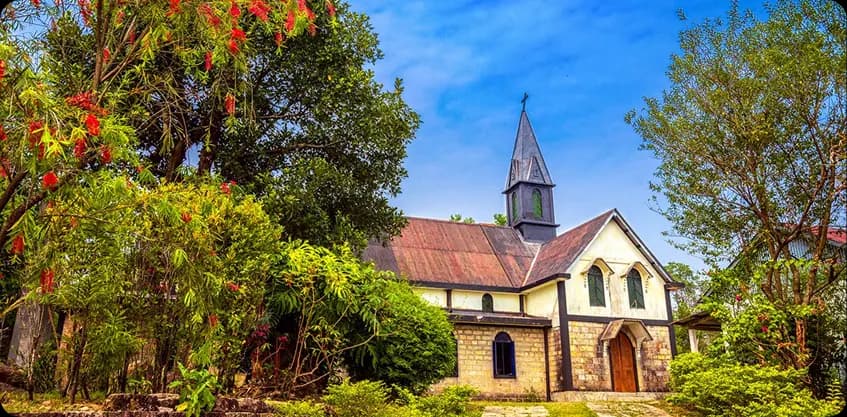
Officially recognized as one of the cleanest villages in Asia, Mawlynnong feels almost unreal the first time you walk through it, spotless pathways, living root bridges grown from rubber tree roots over decades, and a community that's fiercely protective of keeping it that way. It's proof that "untouched" doesn't always mean remote, sometimes it means a place that simply decided to stay careful.
6. Bundi, Rajasthan
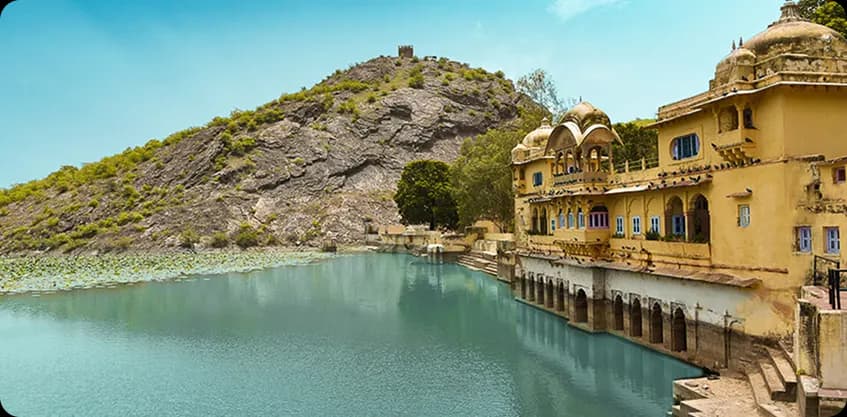
While Jaipur and Udaipur pull in the crowds, Bundi, a few hours away, quietly holds onto its narrow blue-washed lanes, stepwells, and a hilltop palace that Rudyard Kipling once wrote about. You can spend an entire afternoon exploring Bundi's stepwells without seeing another tourist, which is nearly impossible to say about anywhere else in Rajasthan anymore.
7. Orchha, Madhya Pradesh
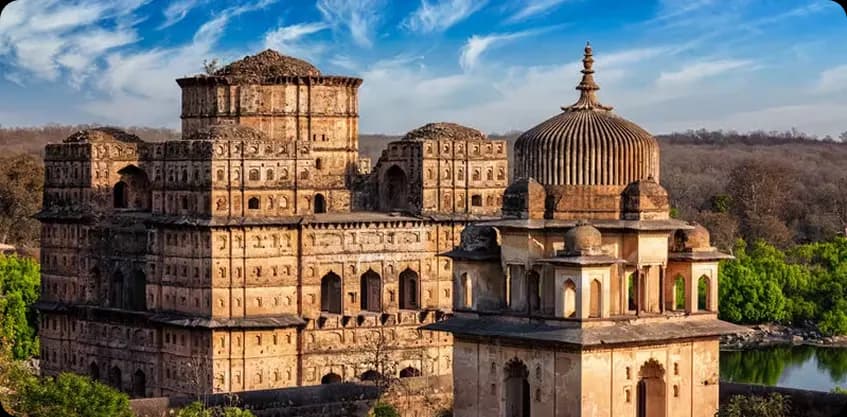
Orchha sits on the banks of the Betwa river, its skyline dominated by 16th-century palaces and cenotaphs that most people have simply never heard of, despite rivaling anything in the more famous heritage circuits. Boat rides at sunset, empty temple courtyards, and a stillness that heritage towns twice its size have long since lost.
8. Polo Forest, Gujarat
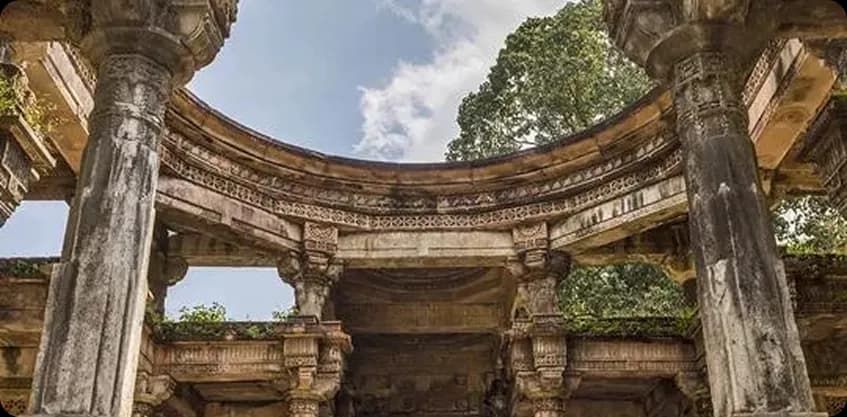
Somewhere between a forest and a forgotten kingdom, Polo Forest holds centuries-old Jain and Hindu temple ruins scattered through dense woodland, along the Harnav river. Most people driving through Gujarat never detour here, which means you'll likely have entire temple clearings completely to yourself.
9. Velas, Maharashtra
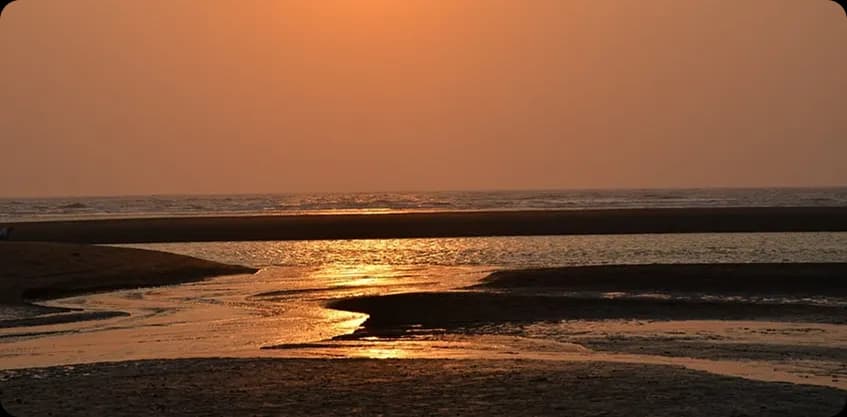
A small Konkan coast village, best known for its Olive Ridley turtle festival, when hatchlings make their first run to the sea. But even outside festival season, Velas is a stretch of coast that's stayed refreshingly un-commercialized, no beach shacks blasting music, no crowds fighting for the same sunset photo.
10. Valparai, Tamil Nadu
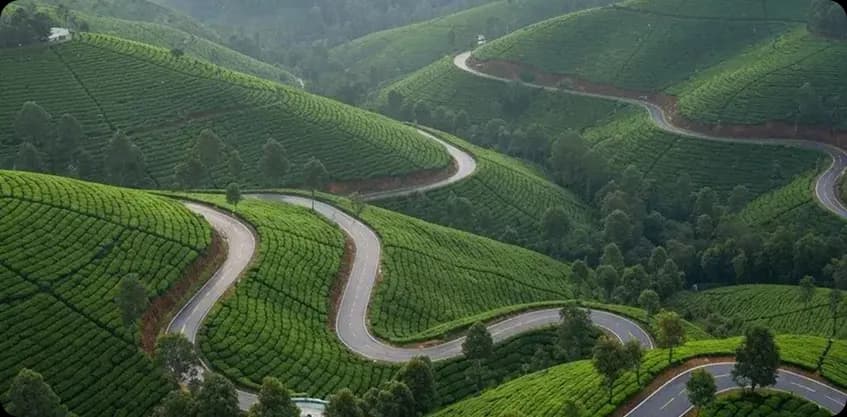
A hill station tucked into the Anamalai hills, wrapped in tea and coffee estates, with a genuinely good shot at spotting wild elephants, gaur, and lion-tailed macaques along the drive up. The ghat road itself, 40 hairpin bends, is half the experience, and Valparai stays refreshingly free of the commercial sprawl that's taken over most South Indian hill stations.
Why these places are staying this way
There's a pattern across all ten: none of them are hard to reach, but all of them require a bit of intention, a longer drive, a bit of planning, a willingness to skip the place everyone else is going to. That small extra effort is exactly what's kept them peaceful. And that's really the heart of offbeat travel in 2026, it's less about finding places nobody knows, and more about choosing places most people won't bother driving to. The ones who do tend to have the better trip. If a road trip to any of these is calling your name, having your own car, not a shared cab, not someone else's schedule, makes all the difference. You leave when you want, stop for the tea stall nobody else pulled over for, and take the longer, prettier route just because you can. That's the whole idea behind self-drive travel. Book your car from Bharat Car, pack light, pick a direction, and go find your own quiet corner of India.